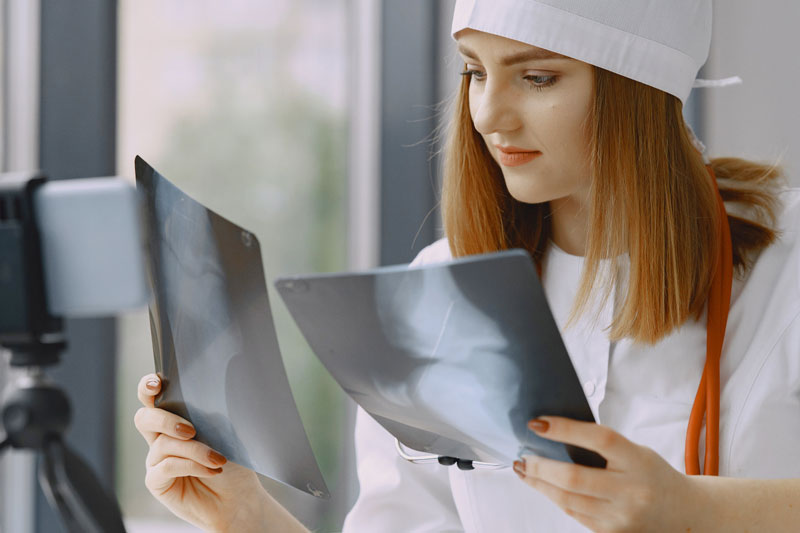
Medical equipment is a fundamental element of healthcare delivery, enabling medical professionals to provide accurate, timely, and effective care. From primary health centers to advanced hospitals, the availability and proper use of medical equipment significantly influence the quality of patient outcomes. These tools support healthcare workers in diagnosing illnesses, performing treatments, and monitoring patient progress with greater efficiency and confidence.
One of the most significant benefits of medical equipment is its ability to improve clinical accuracy. Diagnostic devices such as blood testing analyzers, imaging machines, and cardiac monitoring systems provide detailed insights into a patient’s condition. These technologies reduce reliance on guesswork and allow doctors to make evidence-based decisions. As a result, patients receive targeted treatments that address the root cause of their health issues rather than just the symptoms.
Medical equipment also plays a major role in reducing the workload of healthcare professionals. Automated laboratory machines, digital imaging systems, and electronic monitoring devices streamline routine tasks and save valuable time. This efficiency allows doctors and nurses to focus more on patient care rather than manual processes. In busy hospital environments, such efficiency can significantly improve service delivery and reduce human error. Please visit guangzhou medical equipment factory for more details.
In addition, medical equipment enhances patient comfort and safety. Modern devices are designed with patient-centered features such as non-invasive testing, minimal radiation exposure, and improved accuracy. For example, advanced imaging techniques can produce high-quality results with shorter scanning times, reducing patient discomfort. Safety mechanisms built into equipment also help prevent misuse and accidental harm.
The availability of medical equipment is especially important in emergency and critical care situations. Equipment such as ventilators, defibrillators, suction machines, and emergency monitors are essential for stabilizing patients during life-threatening conditions. Quick access to reliable equipment allows medical teams to act swiftly, often saving lives in critical moments.
Technological progress continues to transform medical equipment, making it more intelligent and adaptable. Smart devices integrated with artificial intelligence can analyze patient data and alert healthcare professionals to potential risks. Portable and mobile equipment has expanded healthcare access to remote and underserved areas, ensuring that more people receive timely medical attention.
Proper training and maintenance are essential to maximize the benefits of medical equipment. Healthcare workers must be skilled in operating devices correctly, while regular servicing ensures accuracy and longevity. Hospitals and clinics that prioritize training and equipment upkeep tend to deliver safer and more consistent care.
In conclusion, medical equipment is a driving force behind efficient and high-quality healthcare. It enhances accuracy, improves patient safety, supports healthcare professionals, and enables advanced medical treatments. As innovation continues, medical equipment will remain central to building stronger, more effective healthcare systems worldwide.